Horizons – When Our Farm Became a Village

Tannis Axten • August 12, 2026

For the two days of Horizons, our farm had become a village.

The idea for Horizons was years in the making. Derek, Joel Williams, Antonious (Tony) Petro, and I spent countless hours talking about what an event like this could become. Along the way, we had plenty of fun brainstorming names. While Derek coined "Regen-Palooza" early on, we eventually landed on Horizons—a name that felt a bit more meaningful.


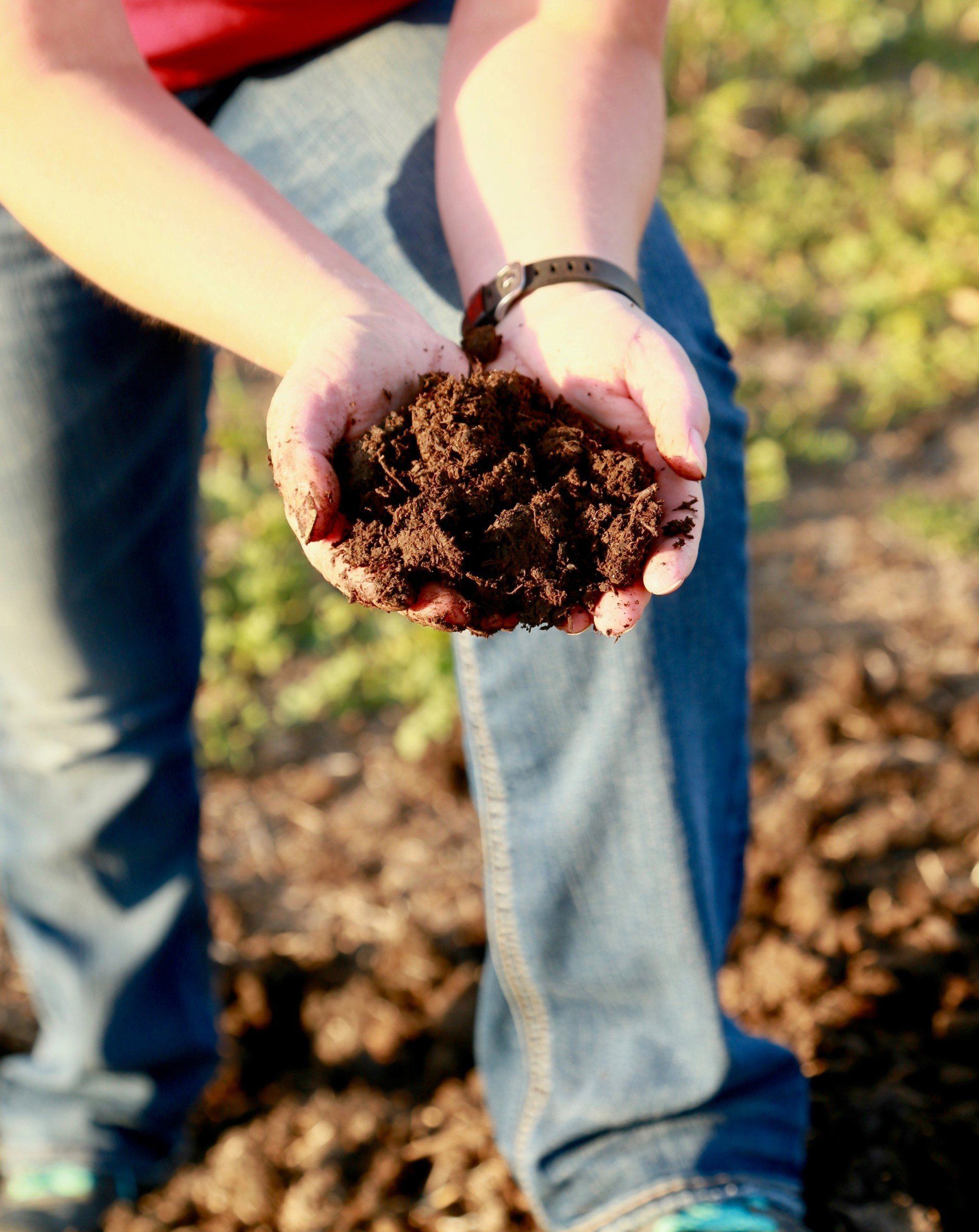
Horizons reflects the layers of the soil profile that are the foundation of regenerative agriculture, the iconic Saskatchewan horizon that stretches endlessly before us, and the idea that growth is a lifelong journey. It reminds us that there are always new ideas, opportunities, and perspectives waiting just beyond what we can currently see.


Looking back, I can honestly admit that I was probably the reason Horizons didn't happen sooner.


Our farm is more than where we work—it's our home, our sanctuary, and a place that holds countless memories. While we had welcomed visitors for one-day field tours before, inviting hundreds of people to stay on our farm was something entirely different. Horizons encouraged people to bring campers, pitch tents, or spend the night in glamping accommodations right in our yard. The thought of opening our safe space to so many people made me anxious. What happened instead was something I never expected.


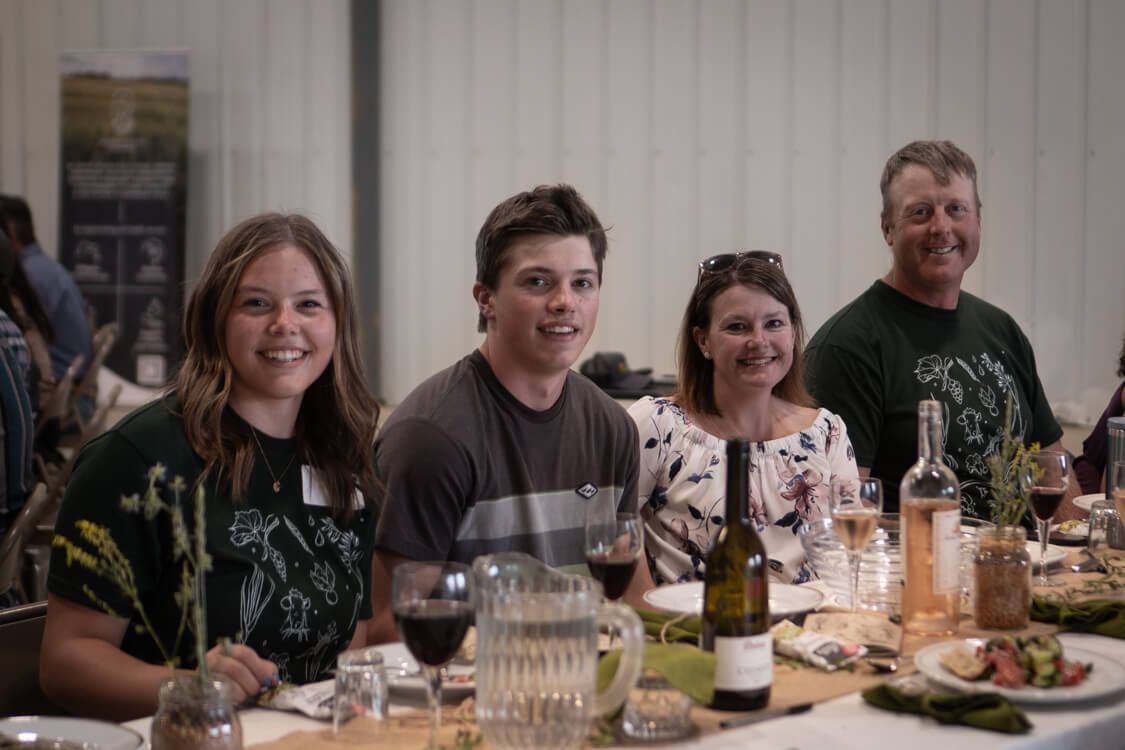
Our yard filled with people who cared deeply about the land, food, and the future of agriculture. They treated our farm with genuine respect, offered a helping hand whenever they could, and appreciated the space as much as we do. Each morning, it was a joy to see who was already awake, coffee in hand, ready for conversations that often became one of the best parts of the day.


After the first day of the event, I worked until nearly midnight preparing for the next morning. As I was headed back to the house, I passed friends gathered around their camper, enjoying a drink and sharing stories. They invited me to join them, and it became the perfect way to end an incredibly full day.


For the two days of Horizons, our farm had become a village.


That village was built by the attendees and sponsors who believed enough in a brand-new event to invest their time and resources. It was built by our incredible volunteers, our niece who created a welcoming coffee stand, the young girl serving lemonade during the hot days, the speakers and panelists who generously shared their knowledge, the Nuffield Scholars who travelled to be part of the experience, our outstanding caterer, and every member of the Horizons team who worked tirelessly behind the scenes.


Agriculture can sometimes feel like a lonely journey. We spend long days making difficult decisions, often without knowing whether we're moving in the right direction. Horizons reminded me that we are not walking this path alone. When people come together with a shared purpose, they create something much bigger than an event.


They create a community. And for a few days, that community transformed our farm into a village.


Share this article

Recent Posts

January 31, 2026
Natural Nutrition
January 20, 2024
Sharing our Story
April 22, 2023
Whole Grain Flour
By tannis January 7, 2023
"Embracing change is about adopting a growth mindset” ~ Marco Marsans
By tannis July 22, 2021
Adding Life Back to the Soil
By tannis July 14, 2021
Cook's Perspective
By tannis May 21, 2021
Exciting New Changes on the Farm
May 24, 2019
Biostimulant Strategies for Regenerative Ag.
May 16, 2019
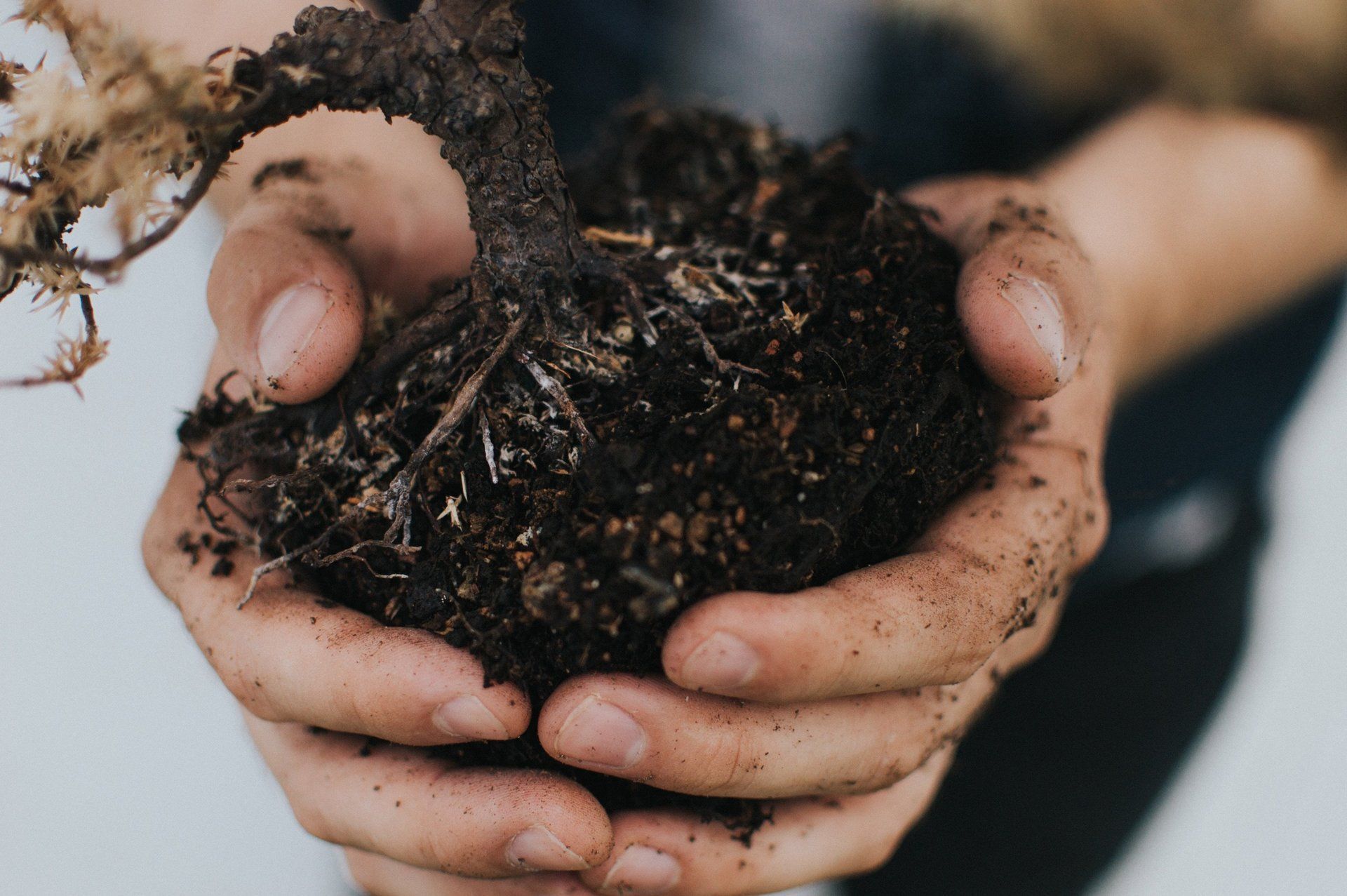
The 2017 crops have been seeded. Once again we have seeded many intercrops to increase our diversity. We have lentils/flax, mustard/maple peas, sunflowers/hairy vetch, chickpeas/flax, canola/chickling vetch, and canola/winter peas. The cereals (oats and durum) were not seeded as an intercrop, but were seeded with clovers as a companion crop.
May 16, 2019
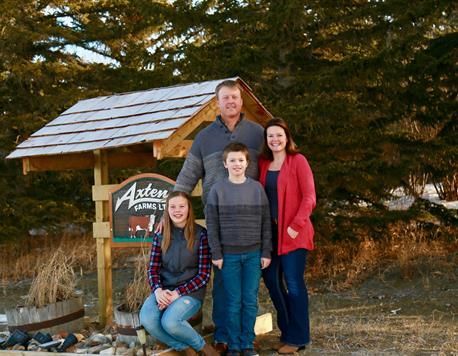
Axten Farms is a multigenerational farm that we are proud to be part of. The first Axten’s arrived in the Minton, Saskatchewean area in 1916, and we farm that original homestead today. Thanks to the hard work and dedication of our ancestors, we have expanded our farm and made it what it is today. In 1973, the corporation, Axten Farms Ltd. was formed. In the beginning, it was believed that in order to turn the natural prairie into productive farm land, it would have to be worked. At this time, the only way to control weeds and plant your seeds was to aggressively work and disturb the soil. Over the years, the idea of summer fallow also became popular. This is where farmers, including us, only seeded half the farm, while spending the summer cultivating the remainder of the land to control weeds and let the soil “rest”. As farmers watched their top soil blow away from the constant working of the soil, and herbicides were introduced, many farmers began to chem-fallow. Land that was not seeded was sprayed with chemicals that would control the weeds and keep anything from growing.
Show More