Sharing Our Story
Loyal to the Soil.
Featured Documentary
Regeneration Canada came to film.
In 2022, Regeneration Canada produced a short documentary about the soil-health practices on our farm. Tannis and Derek walk through what we do and why. Worth twelve minutes of your time.
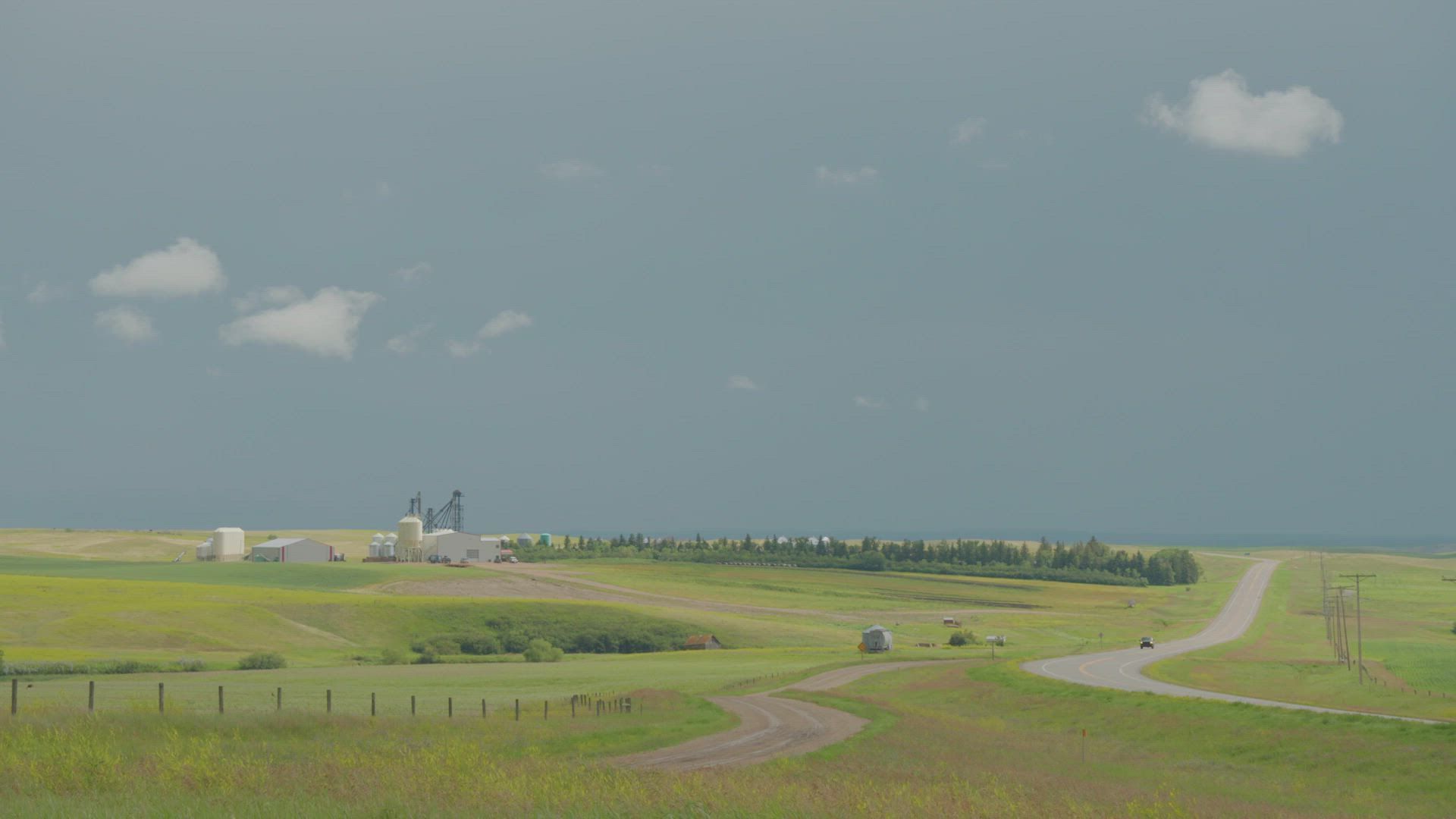
Axten FAmily Farm, Minton, SK
If there is one thing we have learned while farming, it is to keep an open mind. Being open to new ideas has challenged our way of thinking and pushed us to constantly make improvements in our farming system. Seeing our grains as food instead of a commodity has been a great transition.
The Family
The Axten family's farming roots near Minton, Saskatchewan began with Henry and Kate Axten. Their son, Henry, established the farm we proudly operate today. Over four generations, Axten Farms has expanded to 10,000 acres, where we grow specialty grains, legumes, and oilseeds while using regenerative farming practices that build healthy soil, support sustainability, and strengthen resilience for future generations.
Today, Tannis and Derek Axten lead the farm with a passion for soil health. Their vision and hard work have shaped Axten Farms into more than a farm—it’s a story they love to share. If you have questions, they’re always happy to connect and help you learn more about what we do.
The Shift to Regenerative
Axten Farms shifted to regenerative agriculture because we believe healthy soil is the key to growing healthy crops and building a resilient farm and community. By adopting practices such as cover cropping, diverse crop rotations, and companion cropping, we strive to improve soil health, increase biodiversity, conserve moisture, and reduce erosion. This all is in an effort to create a more resilient system.
Why We Mill on the Farm
Most flour you buy was milled hundreds of miles from where the grain grew, by a company that bought the grain from someone who bought it from someone else. We decided to build a HACCP food-grade seed cleaning facility and mill on the farm to provide fresh, traceable flour and grain products directly from our farm. By growing, cleaning, and milling our grains in Saskatchewan, we maintain quality at every step while connecting customers to the regenerative farming practices behind their food. On-farm milling allows us to preserve the integrity of our grains, reduce the distance from field to table, and share the story of the soil that makes it all possible.
What "regenerative" actually means on our farm.
01
Low disturbance
We reduced our soil distrubance almost two decades ago. The microbiology, root channels, and soil structure get to stay intact.
02
Intercropping
Two compatible crops planted together in the same field. Different root systems, different nutrient needs, different pest pressures — and one cuts down on the other's weeds without herbicide.
03
Cover cropping
Cover crops are usually planted after harvest to reduce erosion and soil compaction, and to keep something growing on the soil rather than leaving it bare to the prairie wind.
04
Reduced Sythetic Inputs
As our soil structure and biology have improved, our need for synthetic fertilizers and pesticides has naturally gone down.
05
Stripper headers
Combine headers that strip the grain from the head and leave most of the straw standing in the field. The standing straw catches snow, slows evaporation, and feeds the soil.
06
Compost & compost extract
Feeding the soil with compost and extracts strengthens the biology that drives nutrient cycling and organic matter formation.
07
Regenified Certified
We are proud to be the first certified Regeified farm in Canada. An independent verification that the regenerative practices are real and ongoing.