Natural Nutrition
January 31, 2026
Natural Nutrition
The history of white bread is surprisingly emotional when you really think about it. What once began as an expensive status food eventually became a highly refined industrial staple. Along the way, much of what made grain nourishing was stripped away. When it became clear that refined flour no longer provided essential nutrients, vitamins and minerals, they were added back in through enrichment. Whole-grain flour is made by grinding the entire grain—bran, germ, and endosperm—without removing any parts. As a result, it naturally retains the fiber, vitamins, minerals, and healthy fats found in the whole grain, making it more nutritious than white flour.
Flour has never been just an ingredient. It’s part of our everyday lives. It’s the sandwiches we pack into our kids’ lunches, the birthday cakes we bake, the muffins shared around the kitchen table, and the cupcakes that mark life’s little celebrations. These are the foods we return to again and again — foods tied to comfort, tradition, and care.
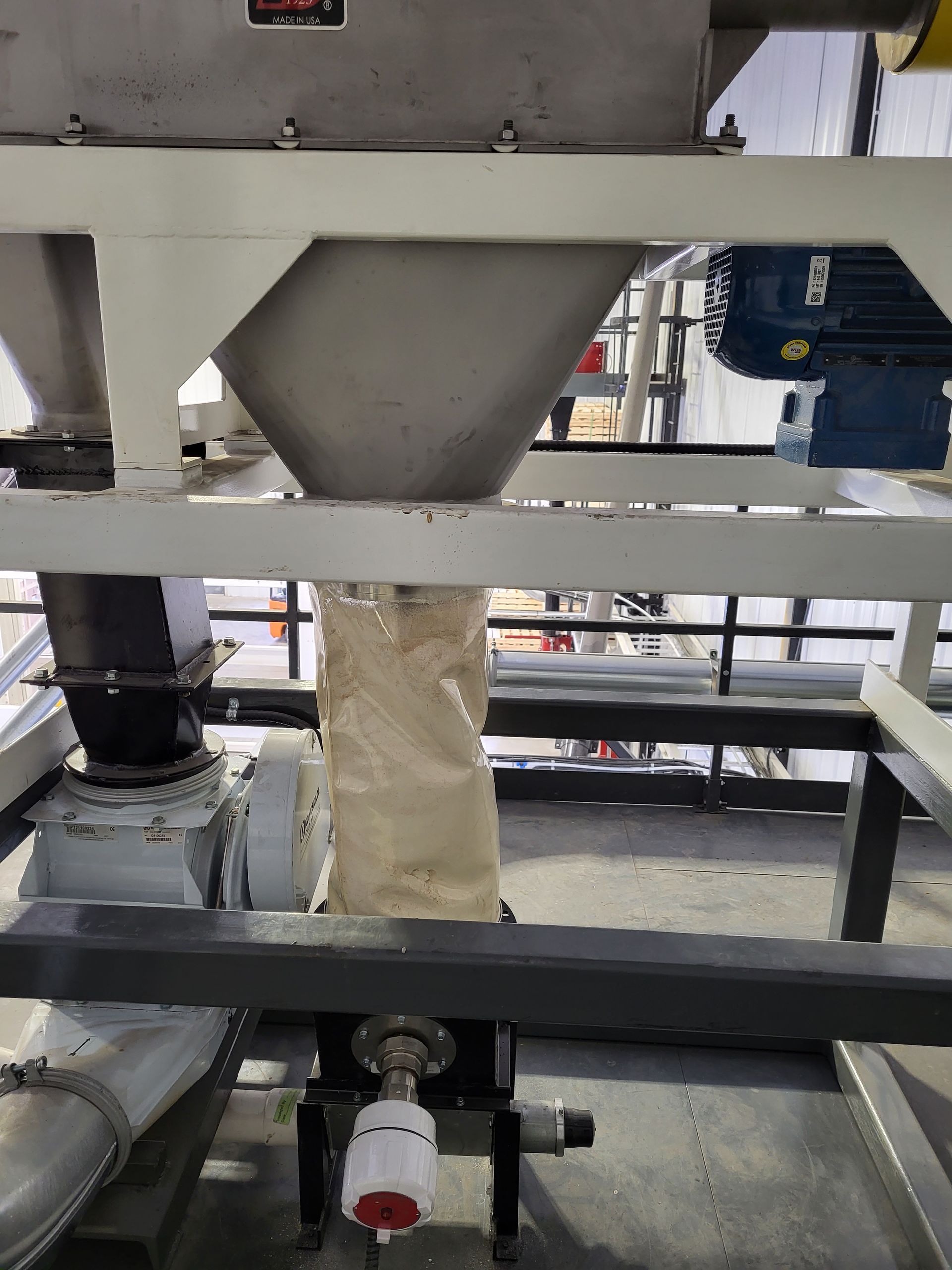
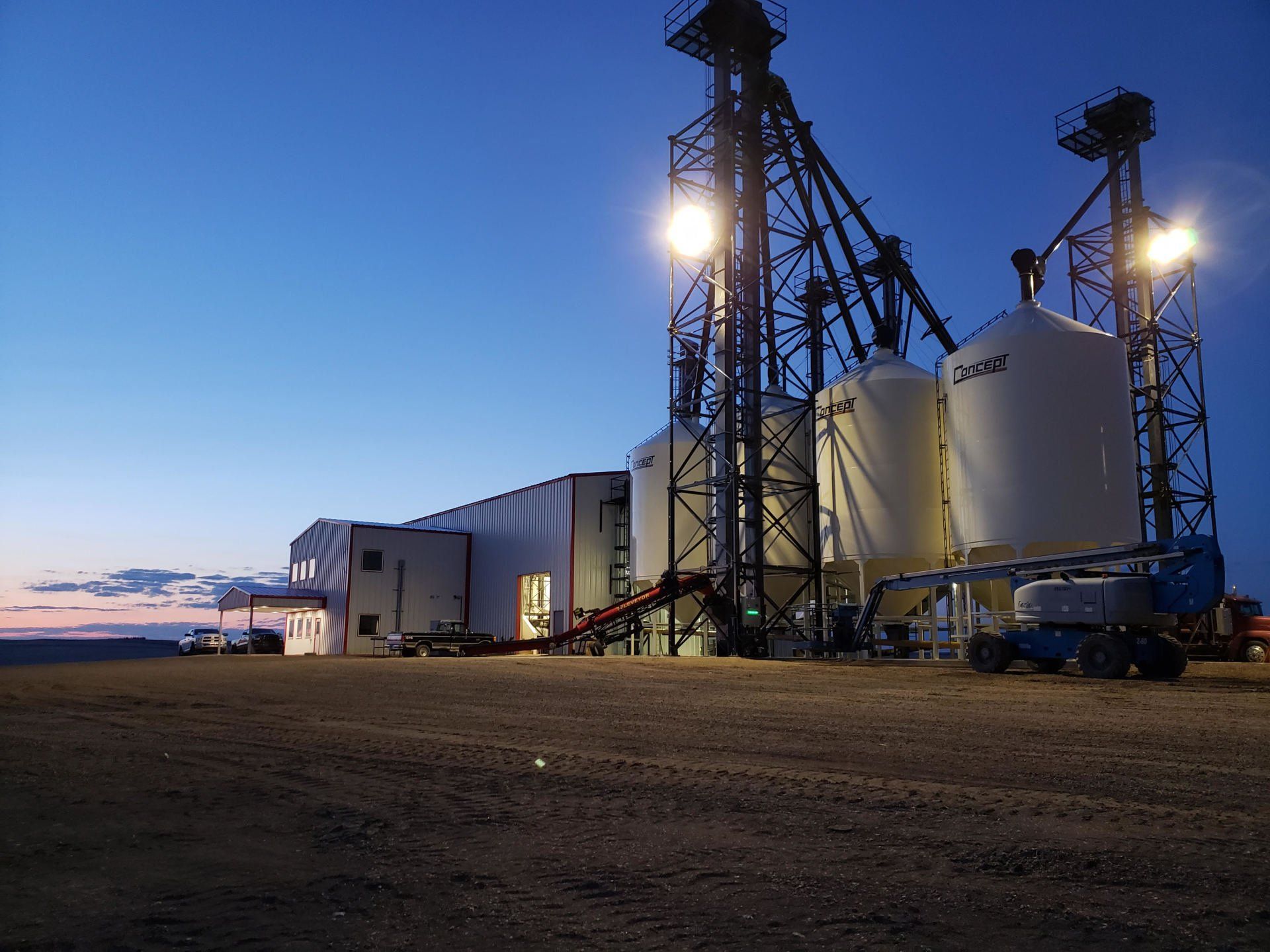
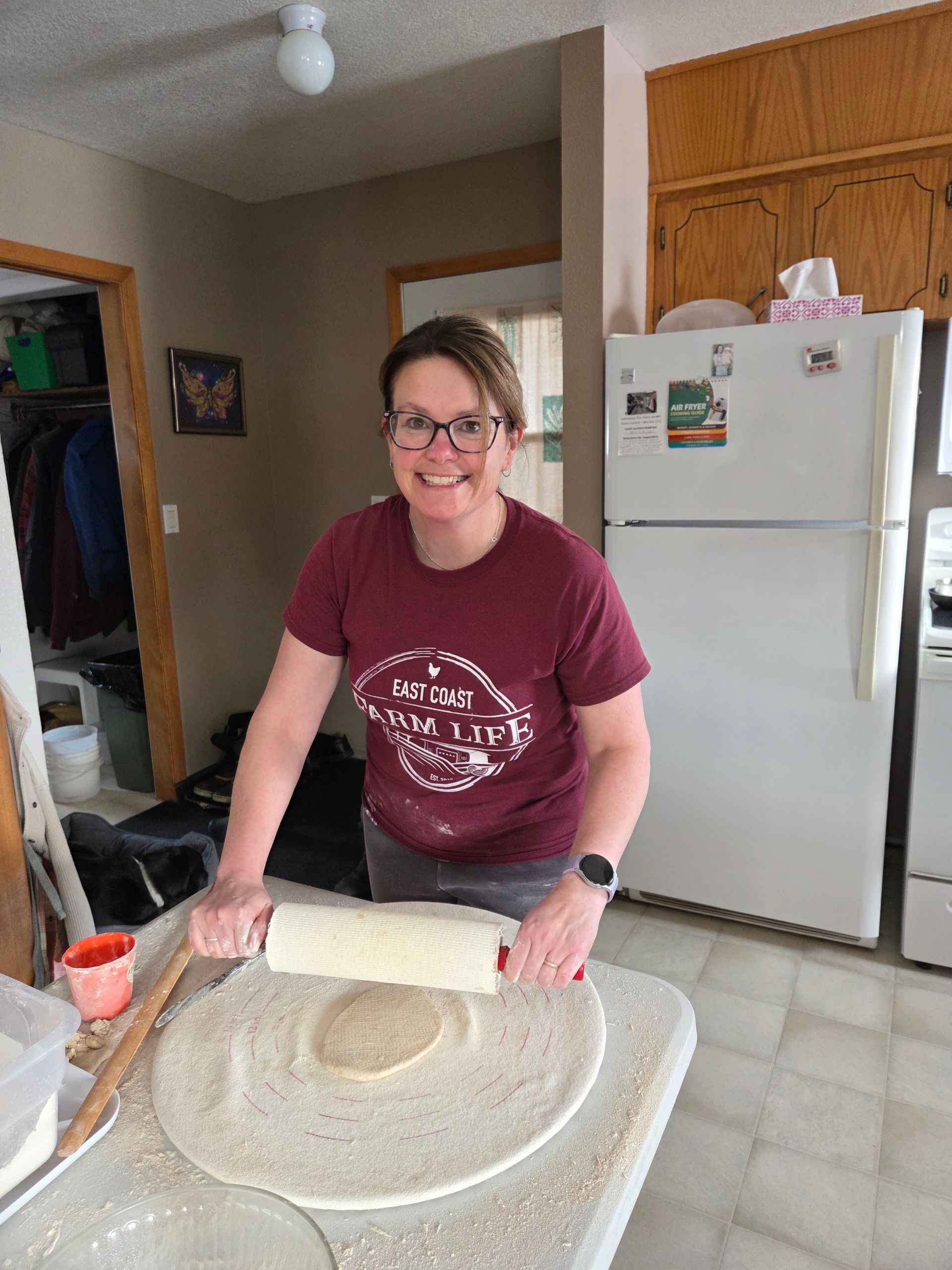
When we installed our flour mill, it wasn’t simply about producing flour. It was about intention. We wanted to mill whole grain flour in a way that honoured the grain itself — keeping the natural vitamins, minerals, fibre, and character intact. We wanted flour that looked and tasted alive, flour that brought colour, aroma, and depth of flavour back into baking.
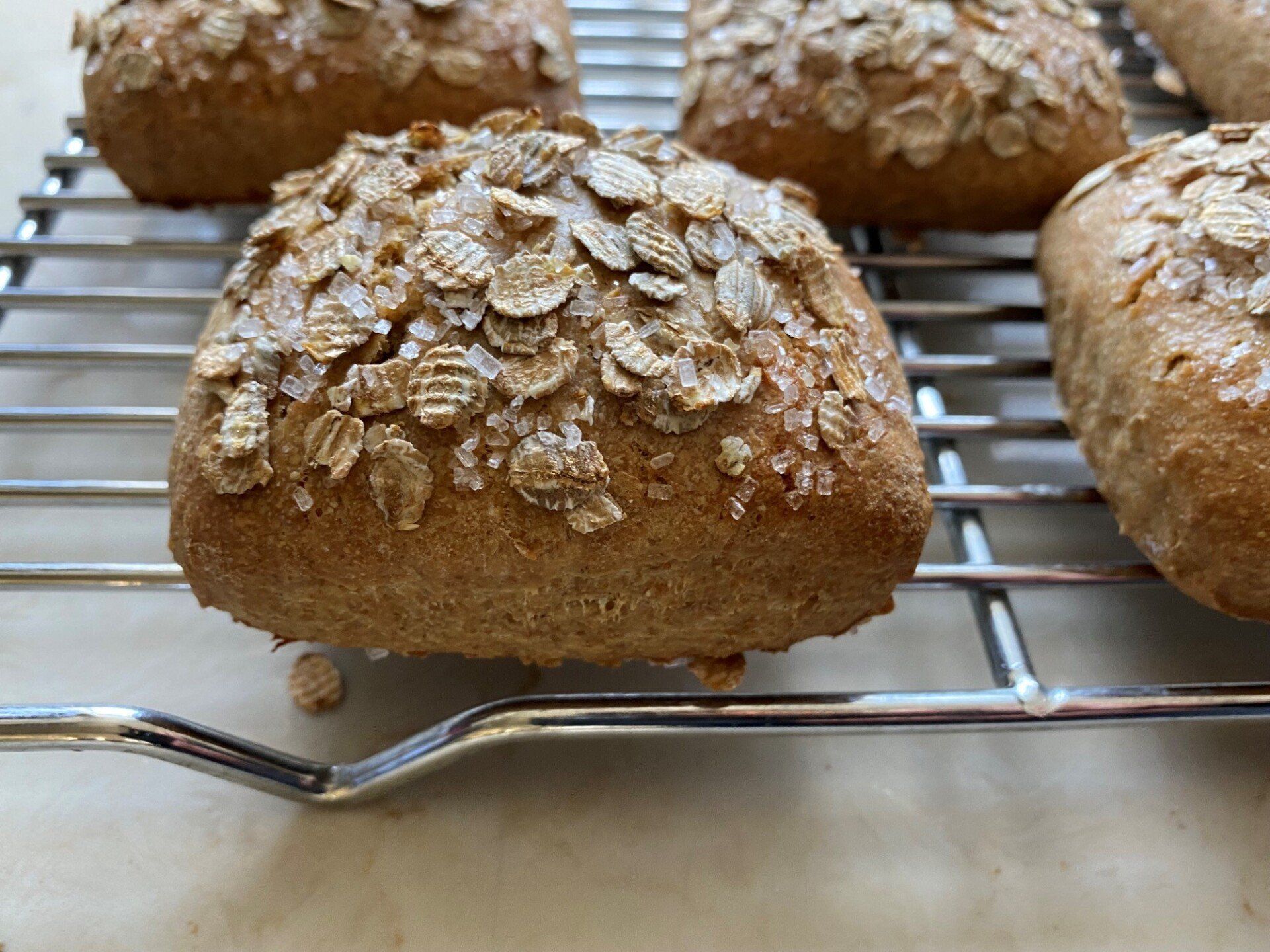
Our goal was never to create a niche product that only a few people could use. We wanted to make a flour that parents could trust, that bakers and chefs could rely on, and that kids would happily eat — a flour that could truly replace all-purpose white flour without sacrificing taste, texture, or performance. Using our Unifine mill, we’ve been able to produce a fine, functional flour that works beautifully in everyday baking, from sandwiches to celebration cakes.
For us, this is about more than nutrition on a label. It’s about choosing food that is grown with care, milled with intention, and baked into the moments that matter most. It’s about returning to foods that nourish not just our bodies, but our families and communities too.
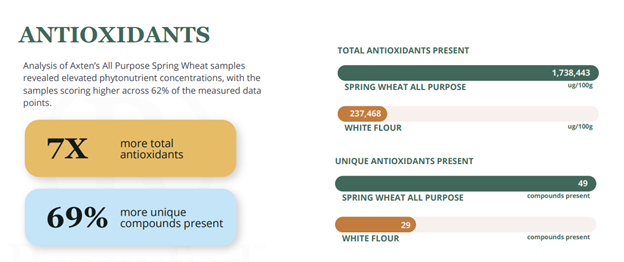
To better understand the nutritional story of our flour, we partnered with Regenified, a third-party organization that certifies farms and food products as regeneratively grown. Nutrient density testing on our flours confirmed something we had long believed.
Recent Posts

May 16, 2019
The 2017 crops have been seeded. Once again we have seeded many intercrops to increase our diversity. We have lentils/flax, mustard/maple peas, sunflowers/hairy vetch, chickpeas/flax, canola/chickling vetch, and canola/winter peas. The cereals (oats and durum) were not seeded as an intercrop, but were seeded with clovers as a companion crop.
May 16, 2019
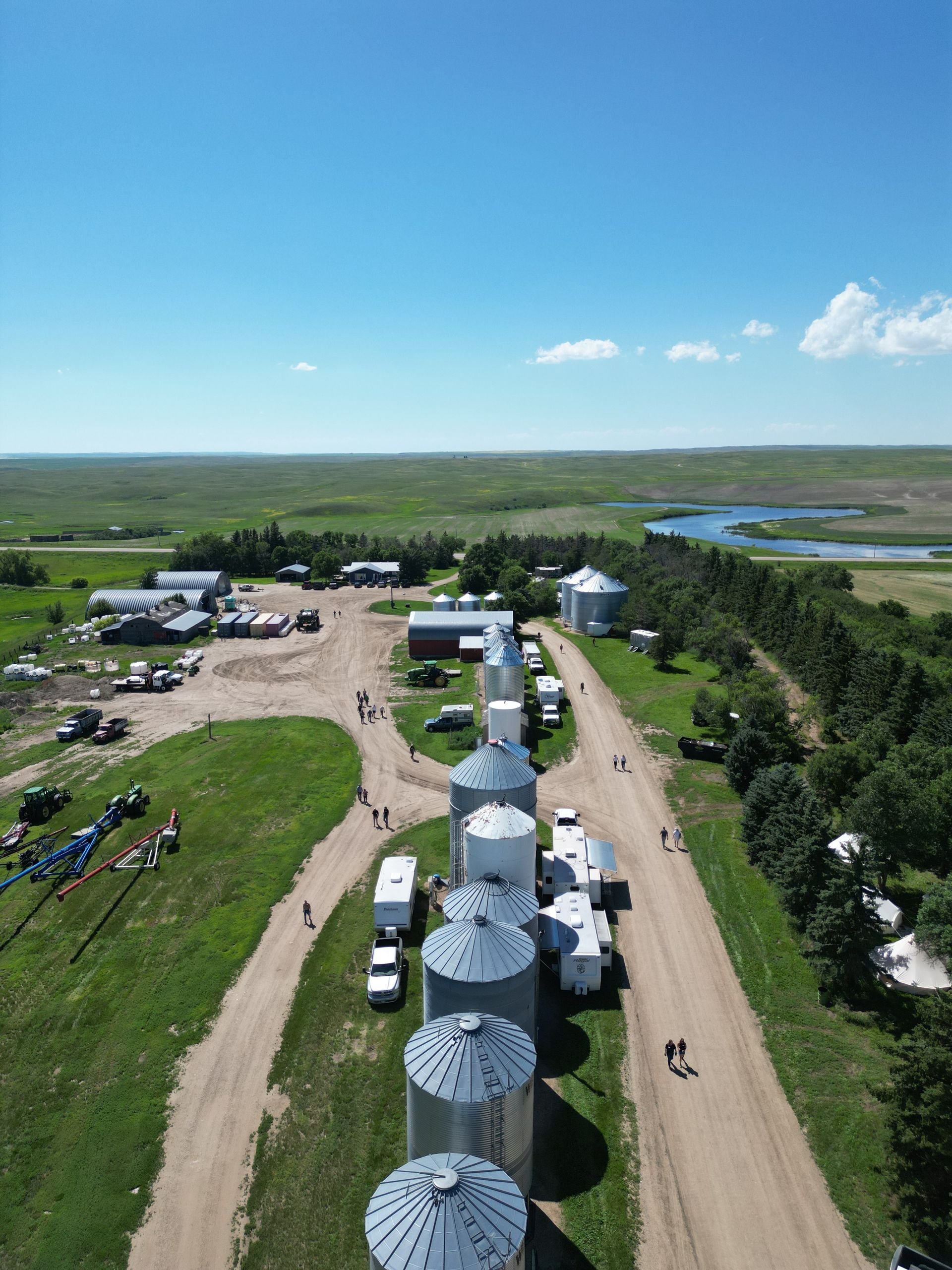
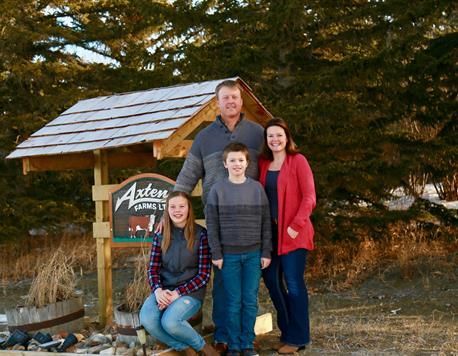
Axten Farms is a multigenerational farm that we are proud to be part of. The first Axten’s arrived in the Minton, Saskatchewean area in 1916, and we farm that original homestead today. Thanks to the hard work and dedication of our ancestors, we have expanded our farm and made it what it is today. In 1973, the corporation, Axten Farms Ltd. was formed. In the beginning, it was believed that in order to turn the natural prairie into productive farm land, it would have to be worked. At this time, the only way to control weeds and plant your seeds was to aggressively work and disturb the soil. Over the years, the idea of summer fallow also became popular. This is where farmers, including us, only seeded half the farm, while spending the summer cultivating the remainder of the land to control weeds and let the soil “rest”. As farmers watched their top soil blow away from the constant working of the soil, and herbicides were introduced, many farmers began to chem-fallow. Land that was not seeded was sprayed with chemicals that would control the weeds and keep anything from growing.